 New Zealand
How to Take Motocross Jumps
October 4, 2023
0
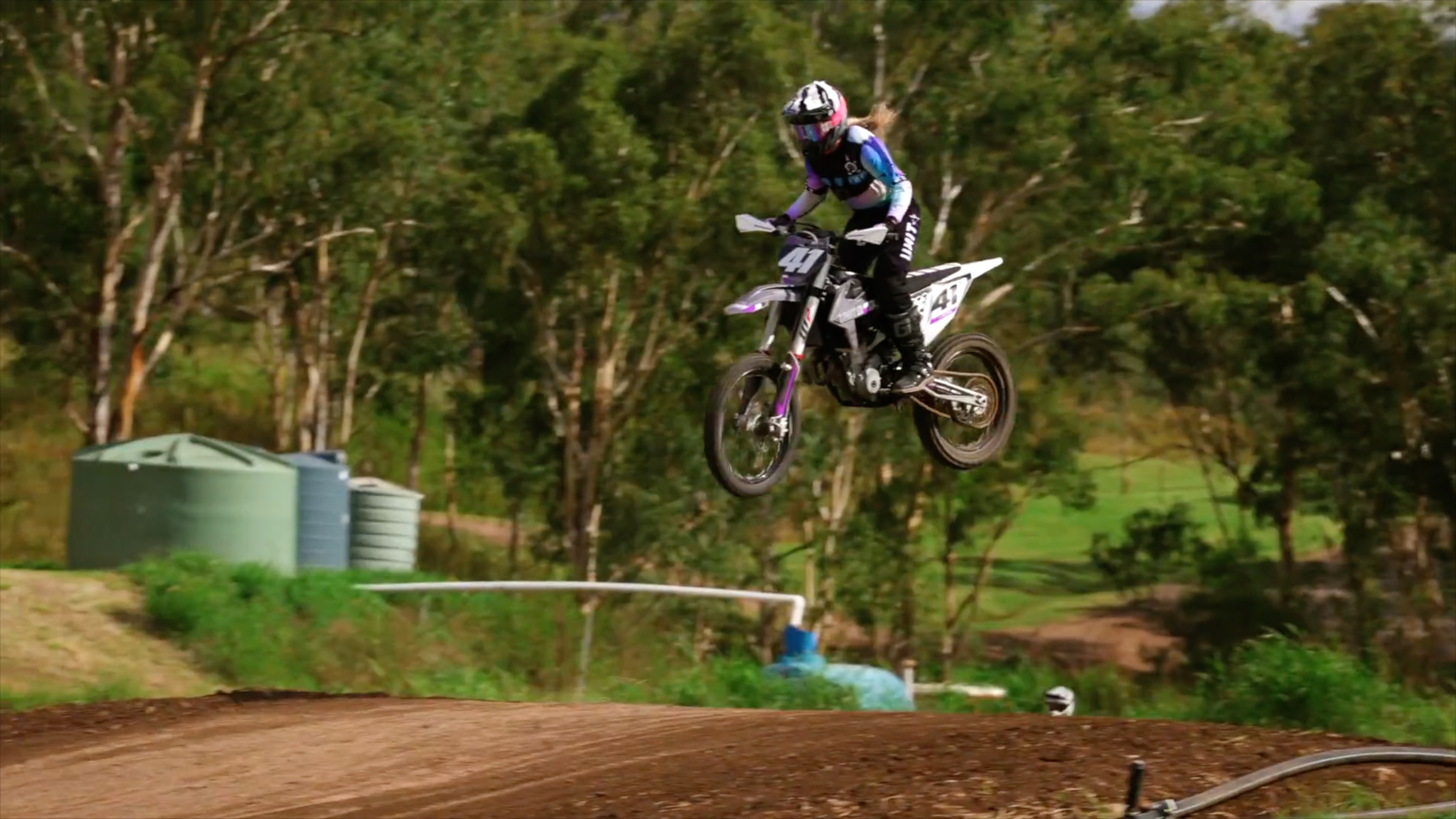
When it comes to motocross, nothing looks cooler than taking jumps. Not only is it a thrill to take the jump, but it’s always a spectacle for those watching. However, before you start going crazy and taking every jump you see, it’s important to master the technique behind taking jumps safely. After all, mishandling a jump is one of the last things you want to get wrong.
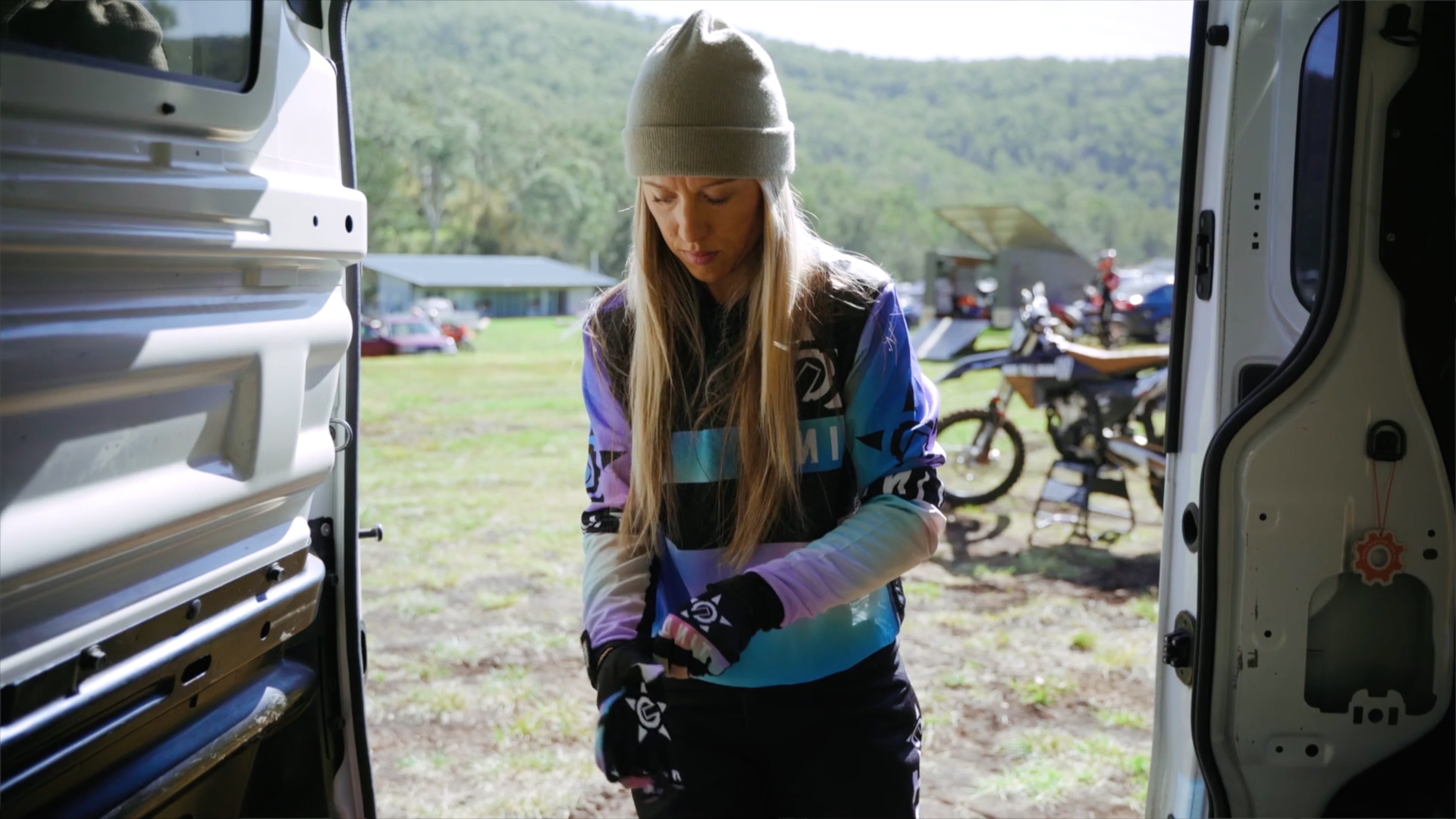
Figure 1: Always make sure that you have the right protective gear before heading out on your bike.
Start by ensuring
you have the appropriate safety gear before hitting the track. Essential items
such as a helmet, boots, protective pants, and gloves are the bare minimum
requirements to safeguard yourself against potential risks. Equally important
is the condition of your bike, which must be track-worthy. Components like
brakes, suspension, and tires are vital for maintaining proper riding
technique. Be sure to thoroughly inspect these components and ensure that
they’re in optimal condition before venturing out onto the track.
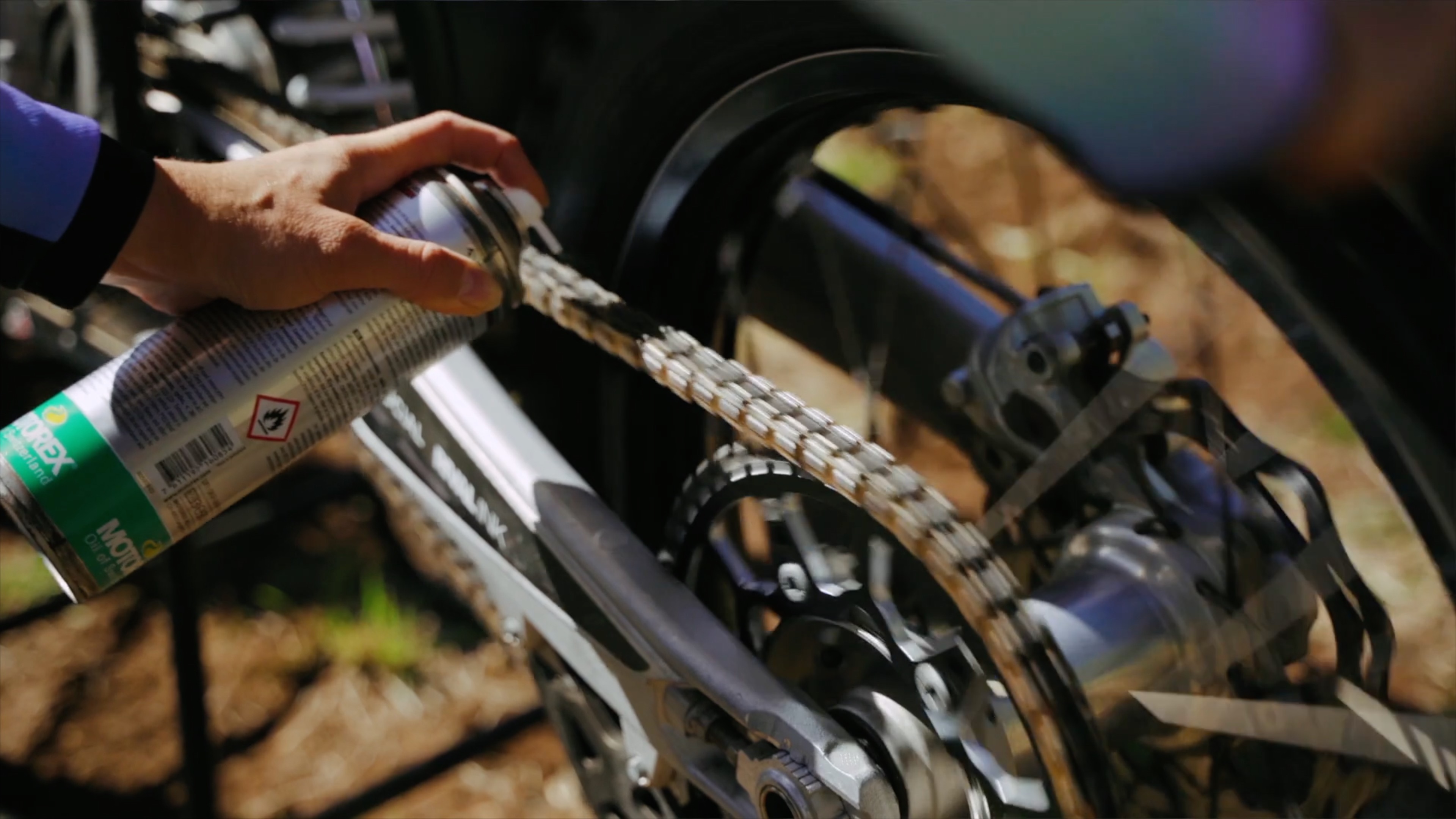
Figure 2: Keep your brakes, tyres, and suspension in top condition to maximise your riding safety and experience.
When it comes to proper jump-taking technique, the three basics are body position, throttle delivery, and landing safely. Starting with your body position, stand on the balls of your feet, keep your knees behind your toes, tilt your hips back, keep your elbows up, and your head over the crossbar. Next, you’ll need to maintain smooth throttle control the whole way off the face of the jump.
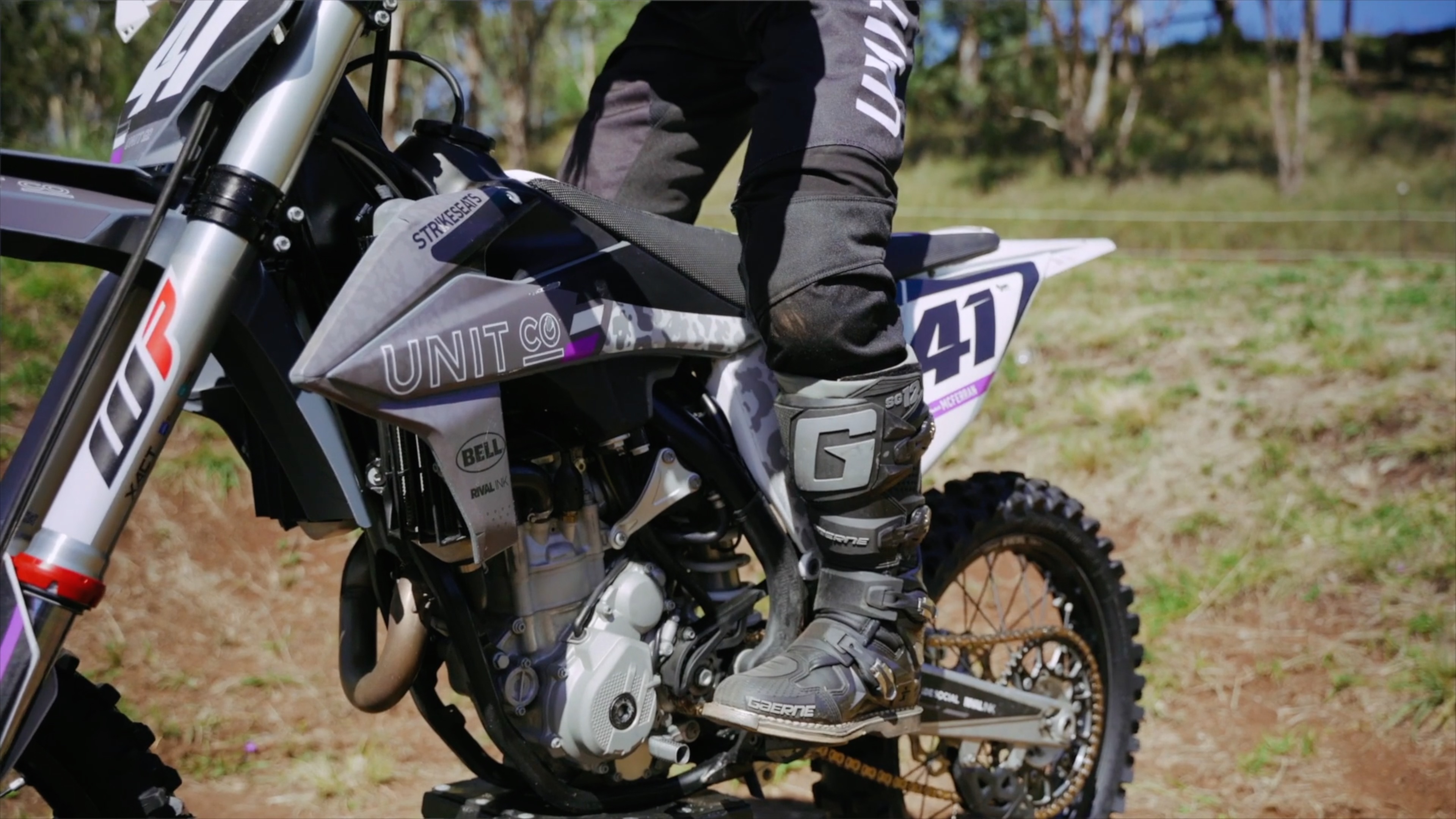
Figure 3: When taking jumps, stand on the balls of your feet, keep your knees behind your toes, tilt your hips back, keep your elbows up, and your head over the crossbar.
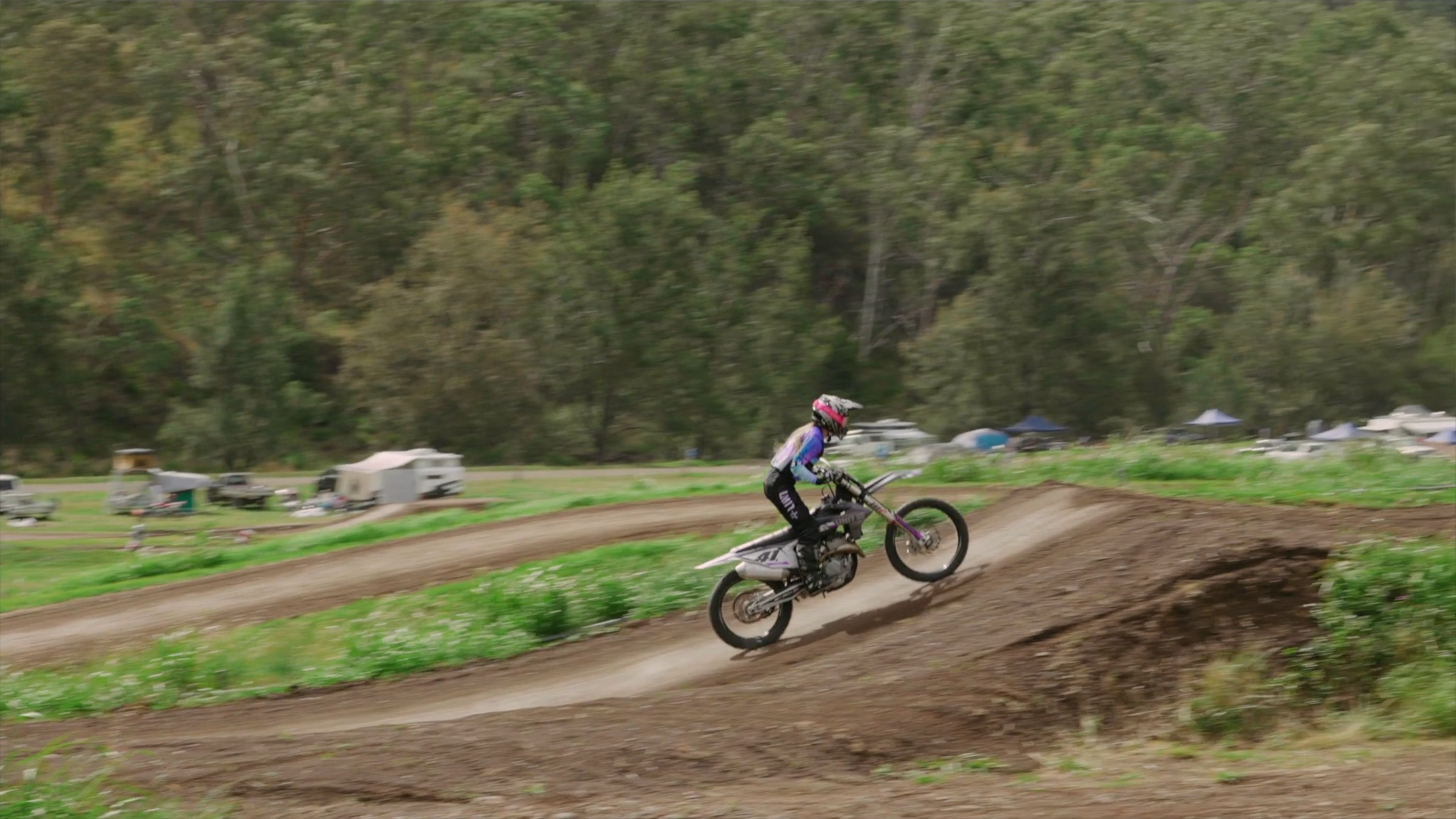
Figure 4: Maintain smooth throttle control the whole way off the face of the jump.
The biggest key factor is being able to land safely. As you approach the landing, get into the attack position, grip the bike, keep your elbows up, and land with the gas on.
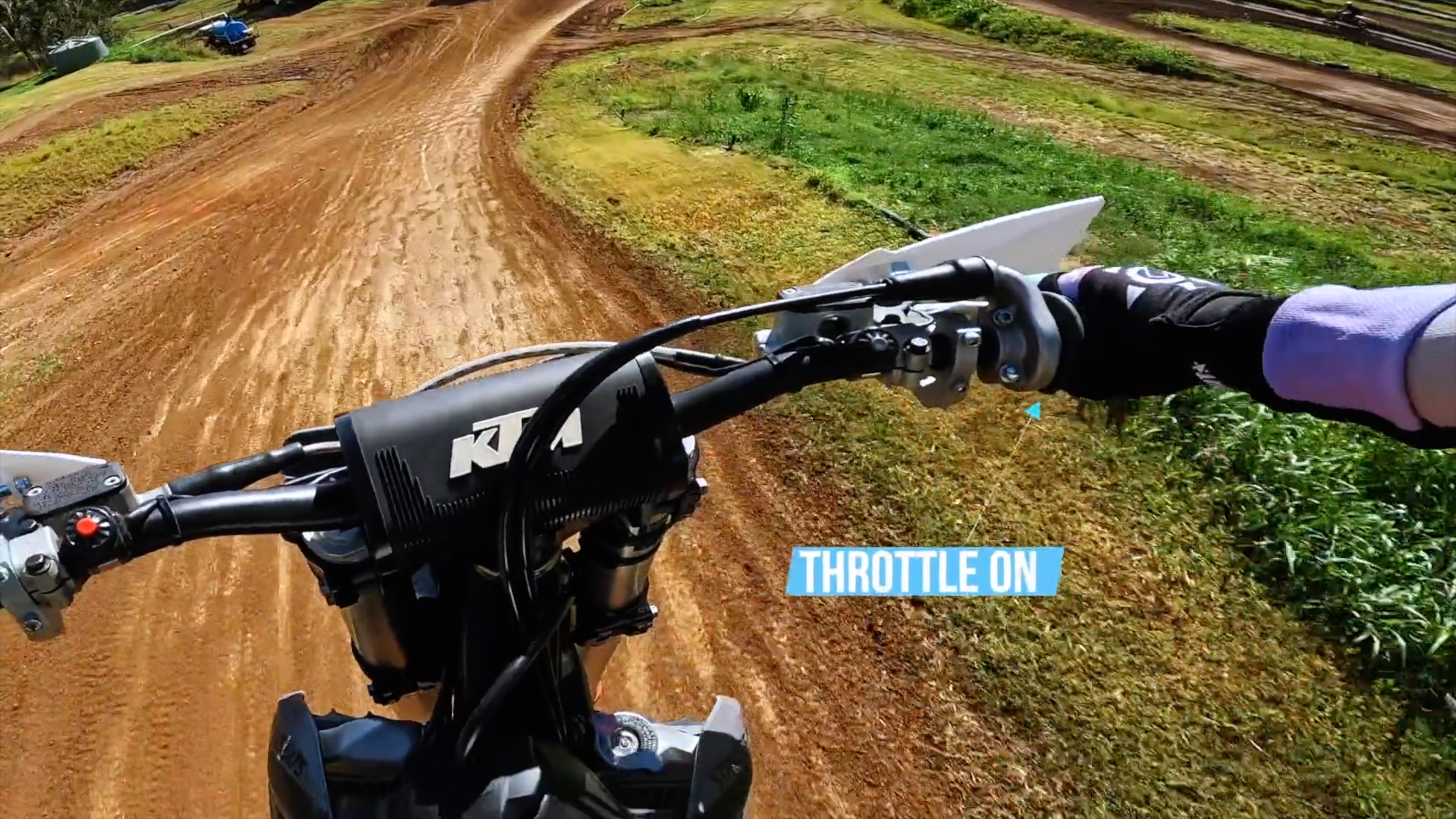
Figure 5: Always gas on as you approach the landing.
Whether you land on the front or rear wheel first will depend on the type of jump that you’re taking. If it’s a single jump, you’ll want to land on your rear wheel with the throttle on. For tabletop jumps, be sure to land with your front and rear wheels touching the ground at the same time with the throttle on.
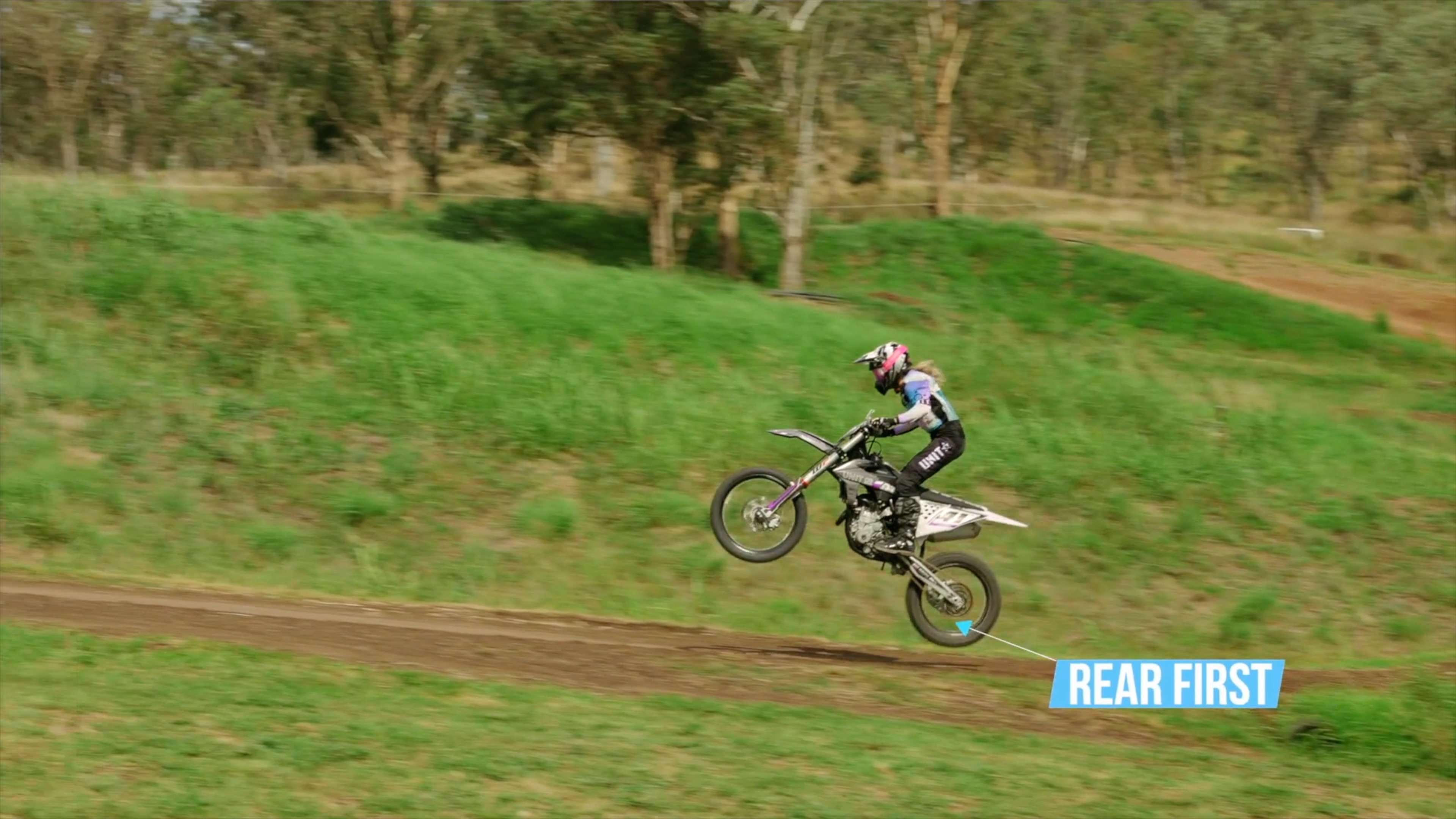
Figure 6: For single jumps, land on your rear wheel first.
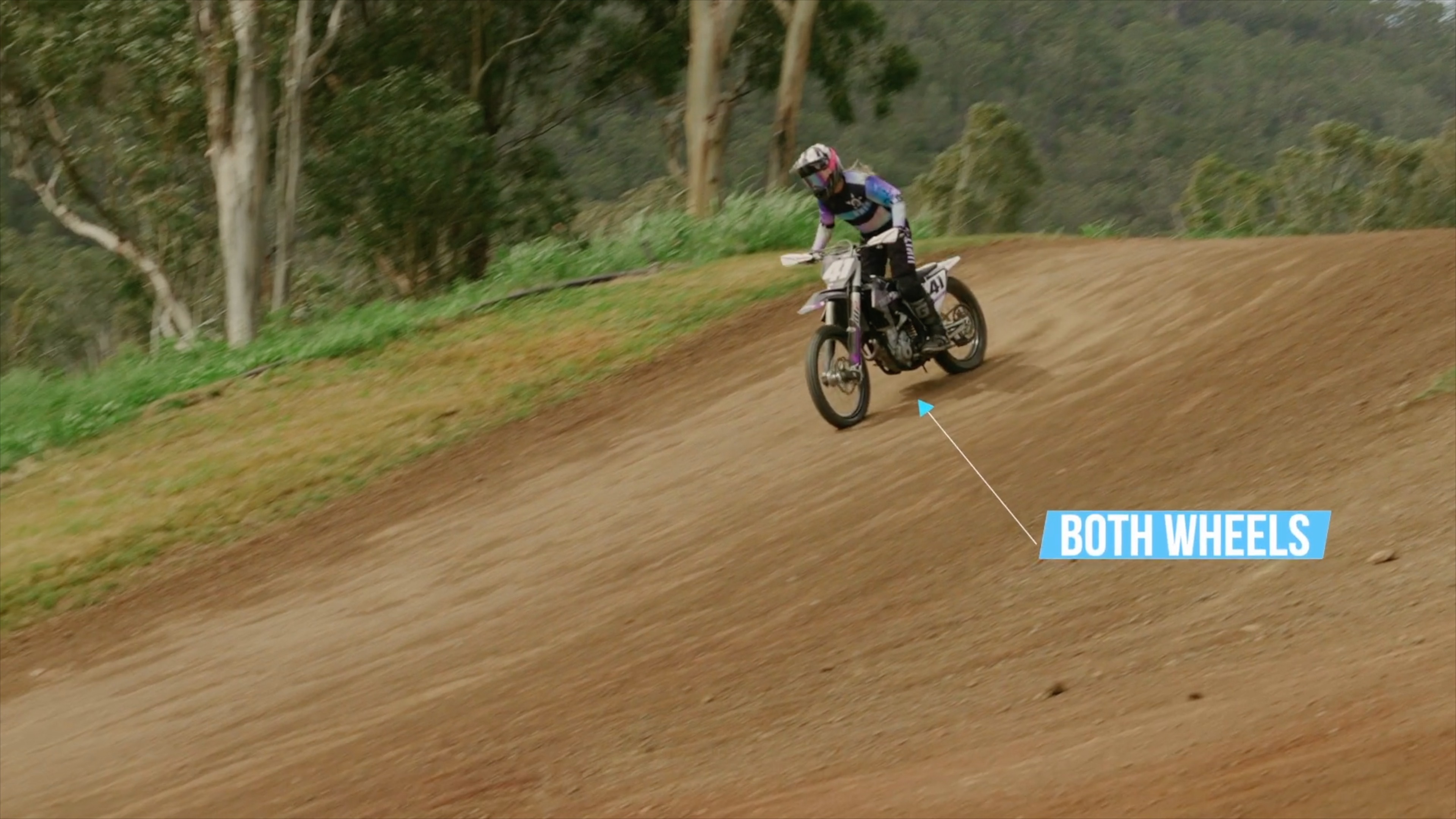
Figure 7: For tabletop jumps, land with both wheels touching the ground at the same time.
Be sure to start out slow and as you refine your technique and gain confidence, you can gradually build speed from there. To get the most out of your bike, you’ll need the right brake pads to suit the way that you ride.
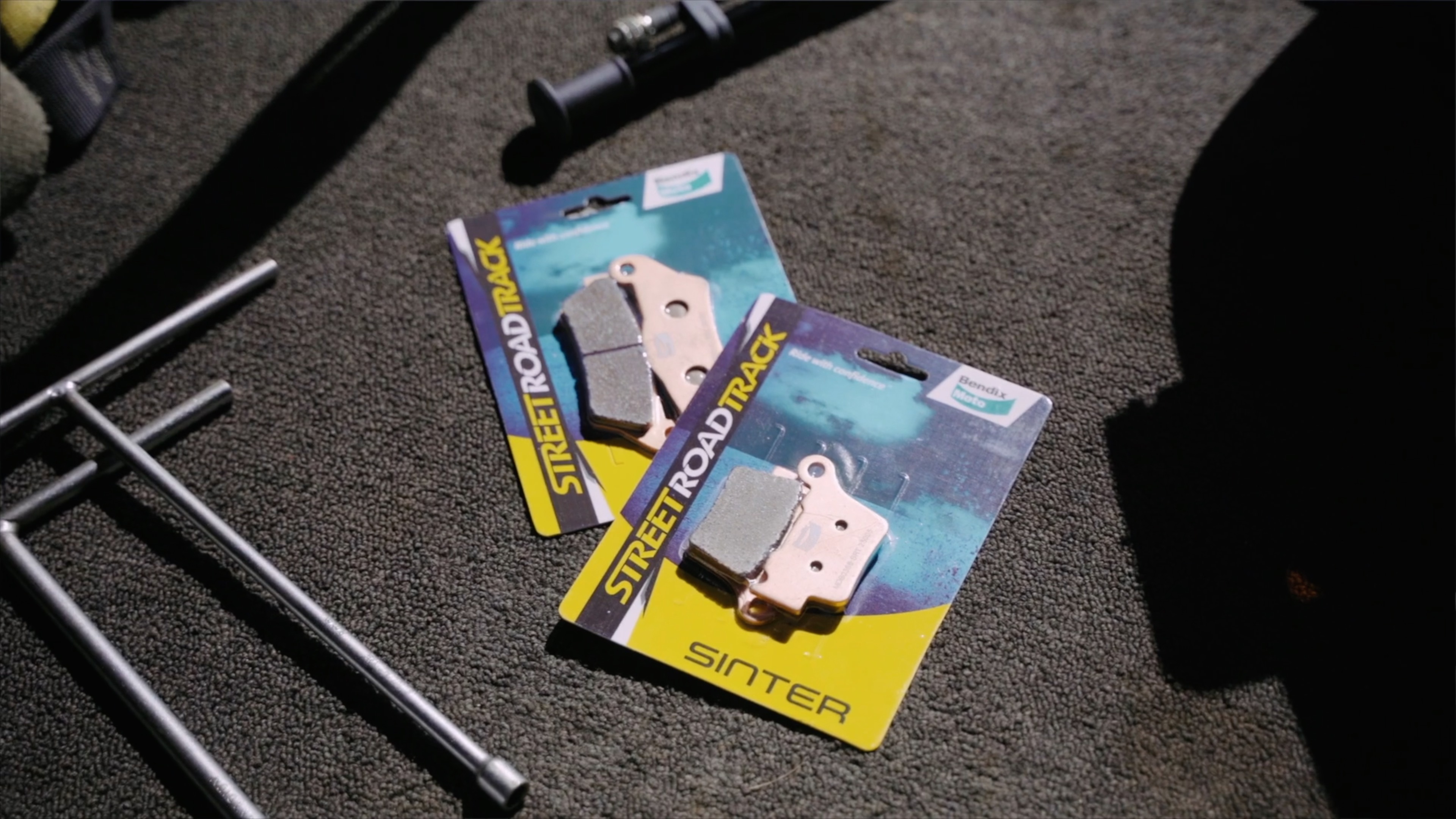
Figure 8: Bendix Moto Street Road Track brake pads are a sintered compound and are built for longevity and spirited riding.
Check out Bendix Moto’s range of Street Road Track and Ultimate+ brake pads on our website at the link below and ride with confidence.
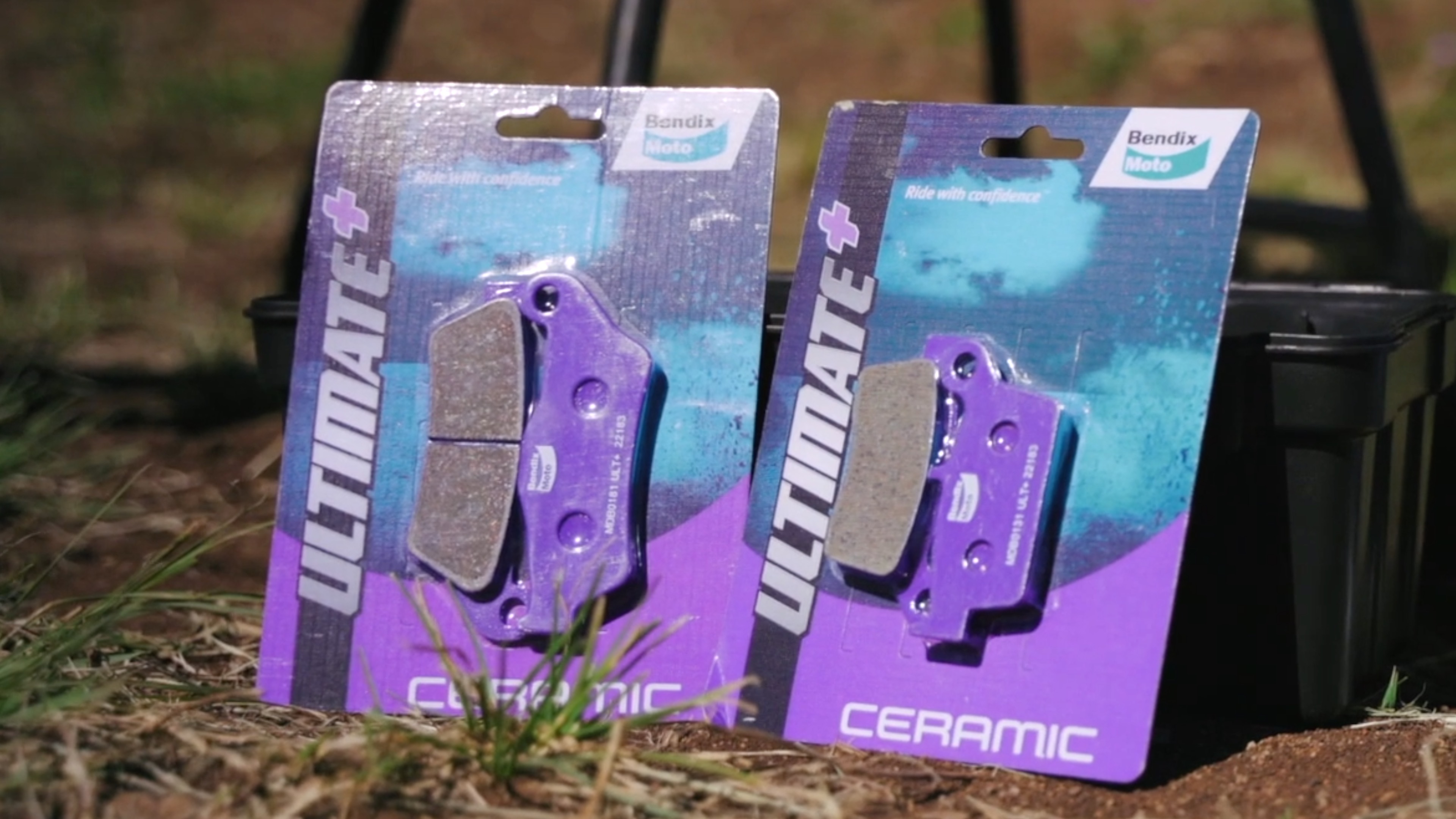
Figure 9: Bendix Moto Ultimate+ brake pads are a ceramic compound and are for the everyday commuter or casual rider who wants ultimate confidence and control on their journey.
For more information on Bendix Moto products, click HERE.
To find your Bendix Moto brake pads, click HERE.
For the latest Bendix Moto news and updates, visit our Facebook page.